
How to Increase Restaurant Bookings in 2026: Marketing, SEO, and Digital Strategies That Drive Reservations
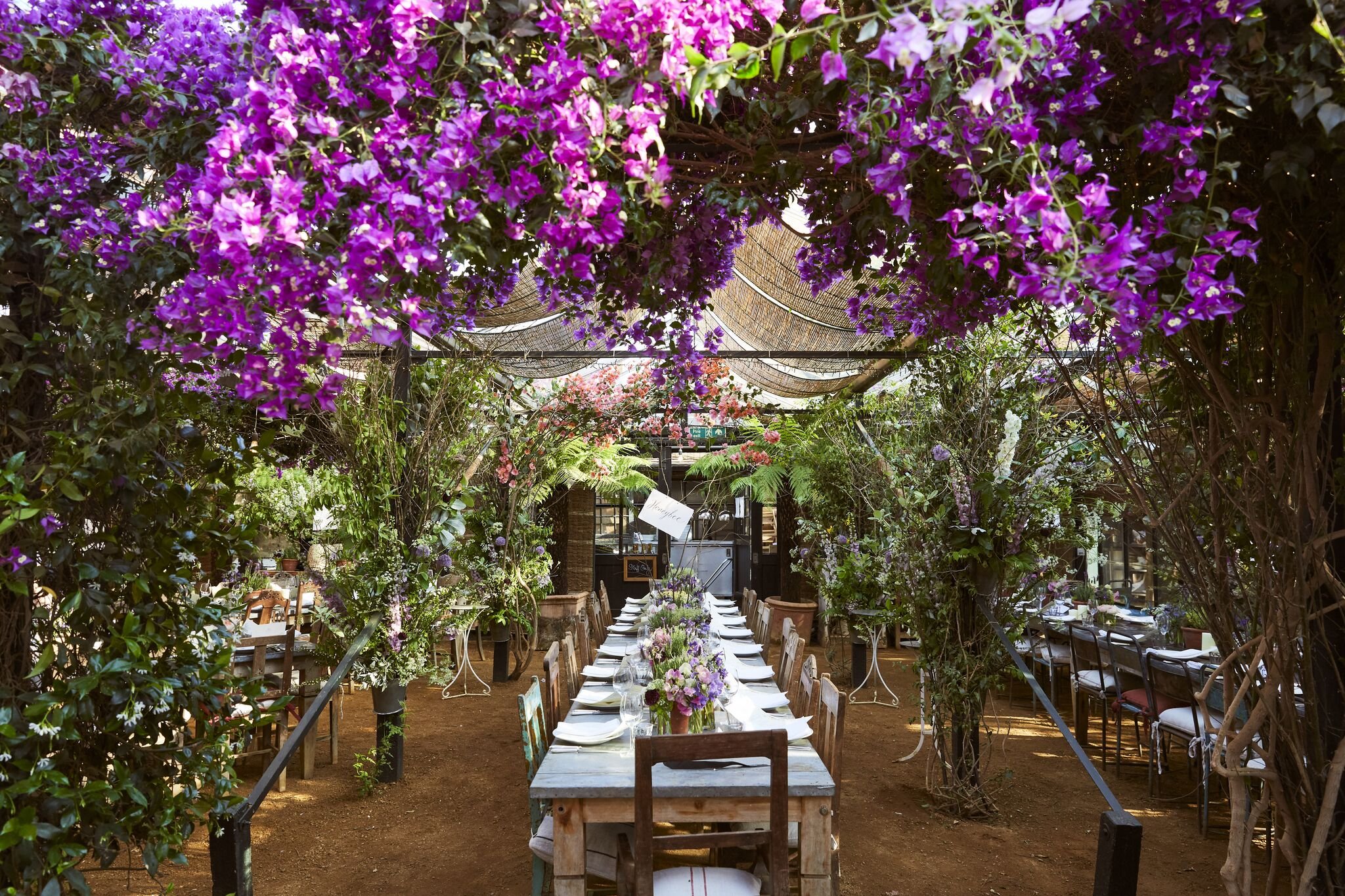
Restaurant bookings in 2026 are no longer won by reputation alone. Diners are more intentional, more digitally influenced, and more experience-driven than ever before. They discover restaurants through social media, editorial coverage, AI-powered recommendations, Google search, and word of mouth. They check Google Business Profiles, scan review scores, and look at Instagram before they decide where to book.
At the same time, competition for attention has intensified. Reservation platforms are crowded and social feeds are saturated. Increasing bookings in this environment requires a coordinated approach across marketing, PR, local SEO, and digital experience. Here is what is actually working in 2026.
1. Optimise Your Google Business Profile
Your Google Business Profile is often the first thing a potential diner sees. It appears in Google Maps, in local search results, and increasingly in AI-generated summaries. If it is incomplete or inconsistent, you are losing bookings before anyone even visits your website.
Start with the basics. Make sure your name, address, phone number, and opening hours are correct and consistent with every other platform you appear on. Add high-quality photos. Upload your current menus. Enable the reservation link so guests can book directly from the search result.
Reviews matter more than ever. A steady flow of recent, detailed reviews tells Google your restaurant is active and trusted. Encourage guests to leave reviews and respond to every one, positive and negative. Review velocity and sentiment are now direct ranking signals in local search.
Post regular updates to your profile. New menus, seasonal events, and weekly specials all give Google fresh signals and give potential diners a reason to choose you over a competitor with a stale listing.
2. Build a Restaurant SEO Strategy That Covers Local Search
Most diners begin their search online. Over 90 percent of people research a restaurant before visiting, and a significant proportion are searching with local intent, terms like 'best restaurant near me,' 'Italian restaurant in Chelsea,' or 'private dining London.' If your restaurant does not appear in those results, your competitors take the booking.
Local SEO for restaurants in 2026 is not just about keywords on your website. It is an ecosystem that spans your Google Business Profile, your website structure, your review presence, and your consistency across all online directories.
On-site SEO
Each page of your website should target a clear search intent. Your homepage should rank for your restaurant name and core category. Dedicated landing pages for private dining, Sunday lunch, brunch, or seasonal menus help you capture high-intent searches. Write in plain language that reflects how diners actually search. Include location-specific terms naturally throughout your copy.
Local keyword strategy
Think about how your guests describe what they are looking for. 'Fine dining Mayfair,' 'group dining Shoreditch,' 'birthday dinner London' are all searches with strong booking intent. Build pages and content around these terms rather than waiting for people to find you by name alone.
Technical SEO foundations
Your website needs to be fast, mobile-friendly, and easy for search engines to read. Structured data and schema markup help Google understand your menus, opening hours, location, and reservation options. A restaurant website without schema markup is leaving visibility on the table.
3. Optimise for AI Discovery and Generative Search
The way diners discover restaurants is changing rapidly. In 2026, a growing number of searches begin with an AI tool rather than a traditional search engine. Platforms like ChatGPT, Perplexity, and Google AI Overviews are becoming primary discovery surfaces for restaurants, hotels, and bars.
Generative Engine Optimisation (GEO) is the process of making your restaurant visible in these AI-powered results. It requires structured, consistent digital data across your website, Google Business Profile, and social channels. AI tools pull from multiple sources and favour venues with clear, readable, well-organised information.
In practical terms this means:
Consistent descriptions of your restaurant across every platform
Clear category signals such as 'modern British tasting menu' or 'neighbourhood wine bar'
Menus and opening hours that are structured and machine-readable
FAQ content on your website that answers common diner questions in plain language
Strong review presence across Google, TripAdvisor, and editorial sources
Restaurants that appear in AI-generated recommendations in 2026 are gaining a significant advantage. This is still an emerging channel, which means the window to establish early visibility is now.
4. Use Social Media as a Booking Conversion Tool
Social media is no longer just a top-of-funnel awareness channel. In 2026 it has become a direct booking engine. But the type of content that drives conversions has changed significantly.
What works now is content that feels real. Behind-the-scenes kitchen footage that humanises your team. Limited-availability drops that create urgency. Genuine guest experiences and user-generated content. Short-form storytelling on Instagram Reels and TikTok. Chef-led content that feels authentic rather than produced.
What no longer performs as well: static menu posts, generic food photography without context, and overly polished content that feels like advertising.
PR and social strategy are now tightly linked. A feature in a publication becomes a quote reel. A press mention becomes a story post. A review becomes a credibility asset in your paid ads. Restaurants that join these dots are getting more from every piece of coverage they earn.
For paid social, Meta remains an effective channel for reaching new audiences and promoting time-sensitive offers. Google Ads support intent-driven search at the moment someone is ready to book. Both channels work harder when they are aligned with your organic content and SEO strategy. How Do You Choose the Right Agency for Your Venue?
The right hospitality marketing agency for your business depends on a few key factors.
Your growth stage: are you launching, expanding, or optimising what already exists?
Your core needs: brand, PR, digital marketing, or a combination?
Your budget: a full-service partner or a specialist retainer?
The importance of sector experience to your brief
It is worth taking the time to find a team that genuinely understands your business, your brand, and the pace at which hospitality moves. When that fit is right, the relationship stops feeling like a supplier arrangement and starts feeling like something more valuable.
5. Build Your Email List and Use It Well
Email remains one of the highest-returning channels in restaurant marketing. A well-maintained database of guests who have opted in to hear from you is an asset that no algorithm can take away.
Use your email list to share seasonal menus, upcoming events, exclusive offers, and booking opportunities before they go public. Segment by visit frequency, dietary preference, or occasion type to make your communications feel relevant rather than generic.
Growing your database should be an active strategy, not an afterthought. In-venue sign-up prompts, website pop-ups tied to a booking incentive, Meta instant forms, and competitions are all effective acquisition channels. Monthly email communications keep guests warm between visits and give them a consistent reason to rebook.
6. Create Event-Led and Seasonal Demand
Restaurants that consistently fill tables in 2026 are not just open. They are programmed. Seasonal and event-led marketing has become one of the most reliable drivers of bookings.
Limited-time tasting menus, seasonal ingredient campaigns, holiday event menus, guest chef collaborations, and themed evenings all create urgency and give guests a clear reason to book now rather than later.
From a PR perspective, the most effective strategy is to position your restaurant as a calendar of moments rather than a static venue. Media outlets and food publications are increasingly drawn to time-sensitive dining stories that feel experiential and newsworthy.
Treat your events calendar as a marketing asset. Build content around it, promote it through email and social, pitch it to press, and use paid advertising to reach new audiences around each activation.
7. Make Reservations Easy to Find and Complete
Driving traffic and generating interest is only half the job. If your booking journey is difficult, slow, or unclear, you will lose guests who were already ready to commit.
Your reservation link should be visible on every page of your website, on your Google Business Profile, and in your social bio. If you use a third-party platform like OpenTable or Resy, embed the booking widget directly on your site rather than redirecting guests elsewhere. Every additional click between intent and confirmation costs you bookings.
Your website should be fast on mobile. The majority of restaurant searches now happen on phones, and a slow or confusing mobile experience will push potential guests straight to a competitor.
Bringing It All Together
Increasing restaurant bookings in 2026 requires marketing, PR, SEO, and digital experience to work as one system. PR builds credibility and desirability. SEO and GEO create visibility at the moment of discovery. Social media and email drive conversion. A smooth booking journey turns intent into a confirmed reservation.
At Toast, we help restaurants, bars, and hospitality groups build and run this kind of joined-up approach. From local SEO and Google Ads to PR, content, and email marketing, we work across all the channels that matter for hospitality businesses.
If you want to increase bookings and build a more consistent digital presence, we would love to hear about your venue.
Frequently Asked Questions
-
The fastest wins usually come from fixing your Google Business Profile, increasing your review volume, and running targeted paid ads on Meta or Google. These channels can drive bookings within days. SEO and GEO are longer-term investments but build sustainable visibility over time.
-
A joined-up strategy that combines local SEO, a strong Google Business Profile, event-led social content, email marketing, and PR is the most effective approach. Each channel supports the others. Restaurants that treat marketing as a single system rather than a set of separate activities consistently outperform those that do not.
-
Essential. The majority of restaurant searches have local intent. If your restaurant does not appear in the Google Map Pack or the top organic results for relevant searches in your area, potential guests will find a competitor instead. Local SEO is one of the highest-return investments available to most restaurants.
-
GEO stands for Generative Engine Optimisation. It refers to optimising your restaurant's digital presence to appear in AI-powered search tools like ChatGPT, Perplexity, and Google AI Overviews. In 2026 this is increasingly relevant for restaurants, as more diners use AI tools to discover where to eat. Structured data, consistent information across platforms, and clear descriptive language all help with GEO.
-
Focus on content that drives urgency and feels authentic. Behind-the-scenes video, limited-availability event posts, and real guest experiences all convert better than polished brand photography alone. Pair organic content with paid social to reach new audiences, and always include a clear booking link.
-
Yes. Email consistently delivers high returns for restaurants because you are communicating directly with people who have already chosen to hear from you. Regular newsletters, event announcements, and exclusive offers keep your restaurant front of mind and give guests a reason to rebook.